The Sleep Math Blog
Research breakdowns, calculator deep-dives, and sleep science updates.

Napping Science: When It Helps and When It Backfires
A 20-minute nap sharpens focus fast. Push past 60 and research links it to sleep inertia and a 37% higher cardiovascular risk. Here’s the actual nap science.
Read article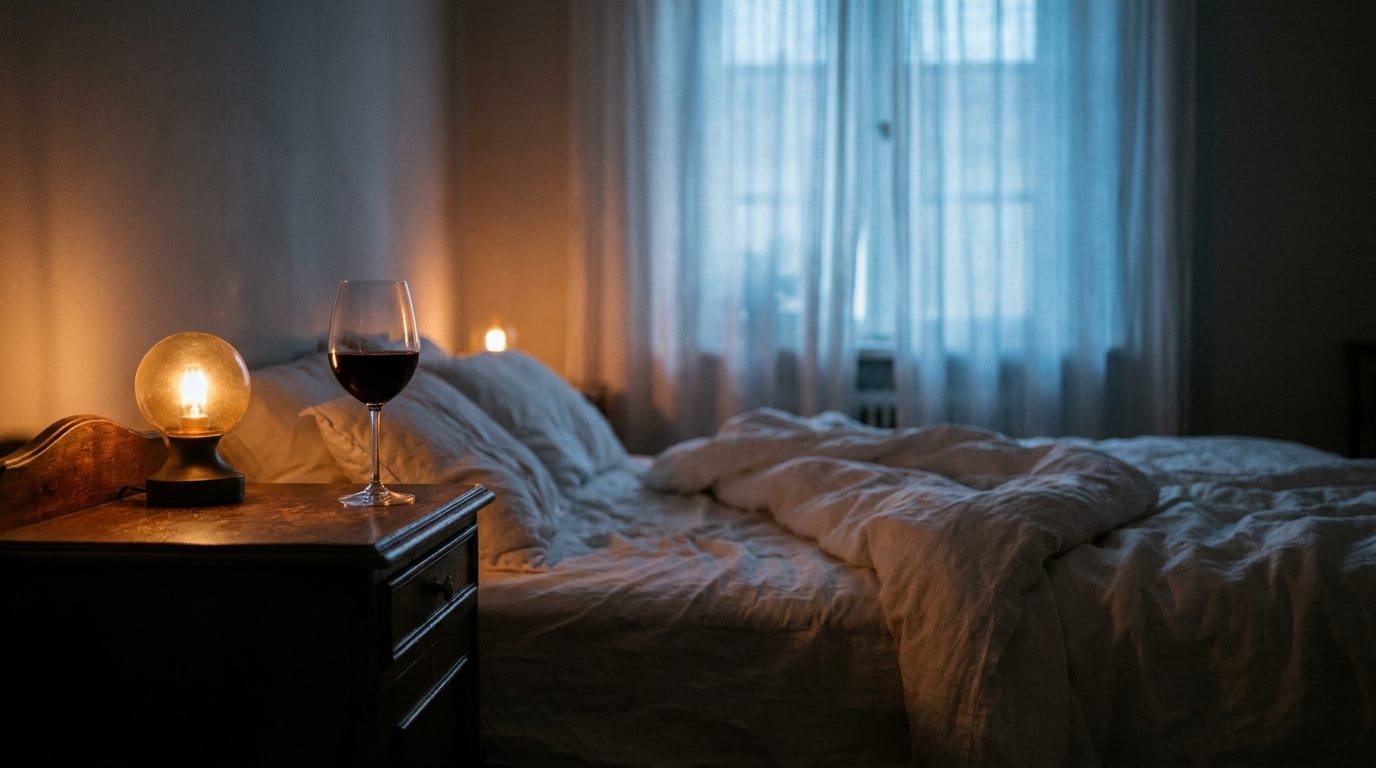
Alcohol and Sleep: What One Drink Actually Does
A nightcap feels relaxing, but it’s a trade: faster sleep onset for REM suppression, a 3am rebound wake-up, and a 25% higher risk of sleep apnea. Here’s the dose-response research.
Read article
How to Calculate Your Sleep Debt (And What to Do About It)
Sleep debt is the gap between the sleep you need and the sleep you get — and it compounds. Here’s the formula, how to find your personal sleep need, and how to interpret what your number means.
Read article
The Liminal Space of Sleep: What Happens to Your Brain in the Seconds Before You Fall Asleep
Hypnagogia is the threshold state you visit every night. Here’s the alpha-theta-delta frequency staircase, the Edison steel ball technique, and how binaural beats guide the descent.
Read article
Best Sleep Schedule for Night Shift Workers
Shift work fights circadian biology, not bad habits. Here’s the anchor sleep system, strategic light timing, and caffeine schedule — plus a personalised shift planner.
Read article
Racing Thoughts at Night: The Science of Why Your Brain Won’t Shut Off
Racing thoughts at night aren’t a willpower problem — they’re hyperarousal. Here’s the cortisol feedback loop, default mode network science, and the CBT-I protocol that actually fixes it.
Read article
7 YouTube Channels for Sleep: Our Top Picks
Science education, sleep music, guided stories — four channels with a clear approach to helping you sleep, and one that does all three at once.
Read article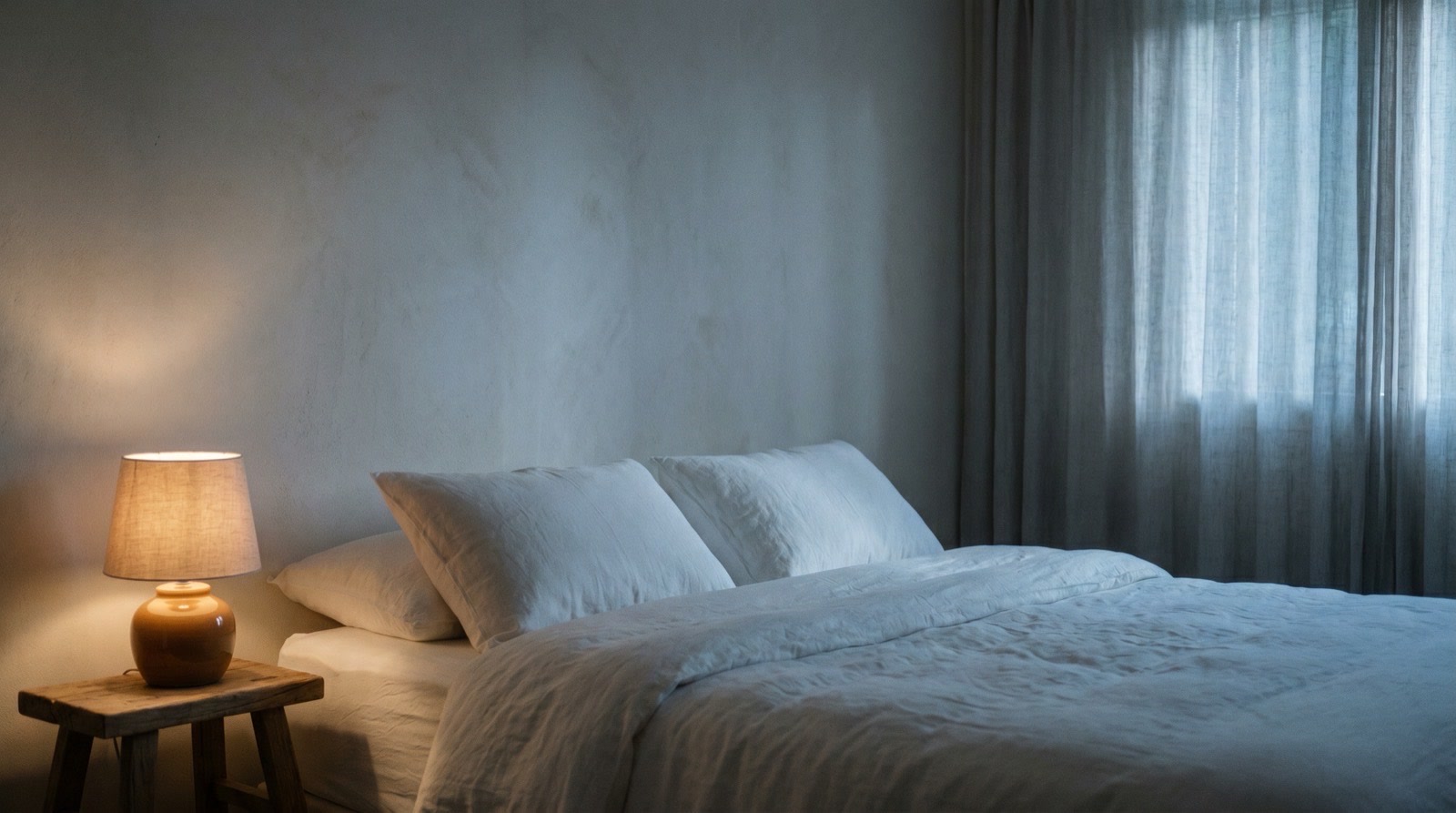
What Is the Ideal Sleep Temperature? The Number, the Mechanism, and the Data
65–68°F. That's the range backed by 3.75 million nights of sleep data. Here's why the number is that specific — and what happens to your REM sleep when you miss it.
Read article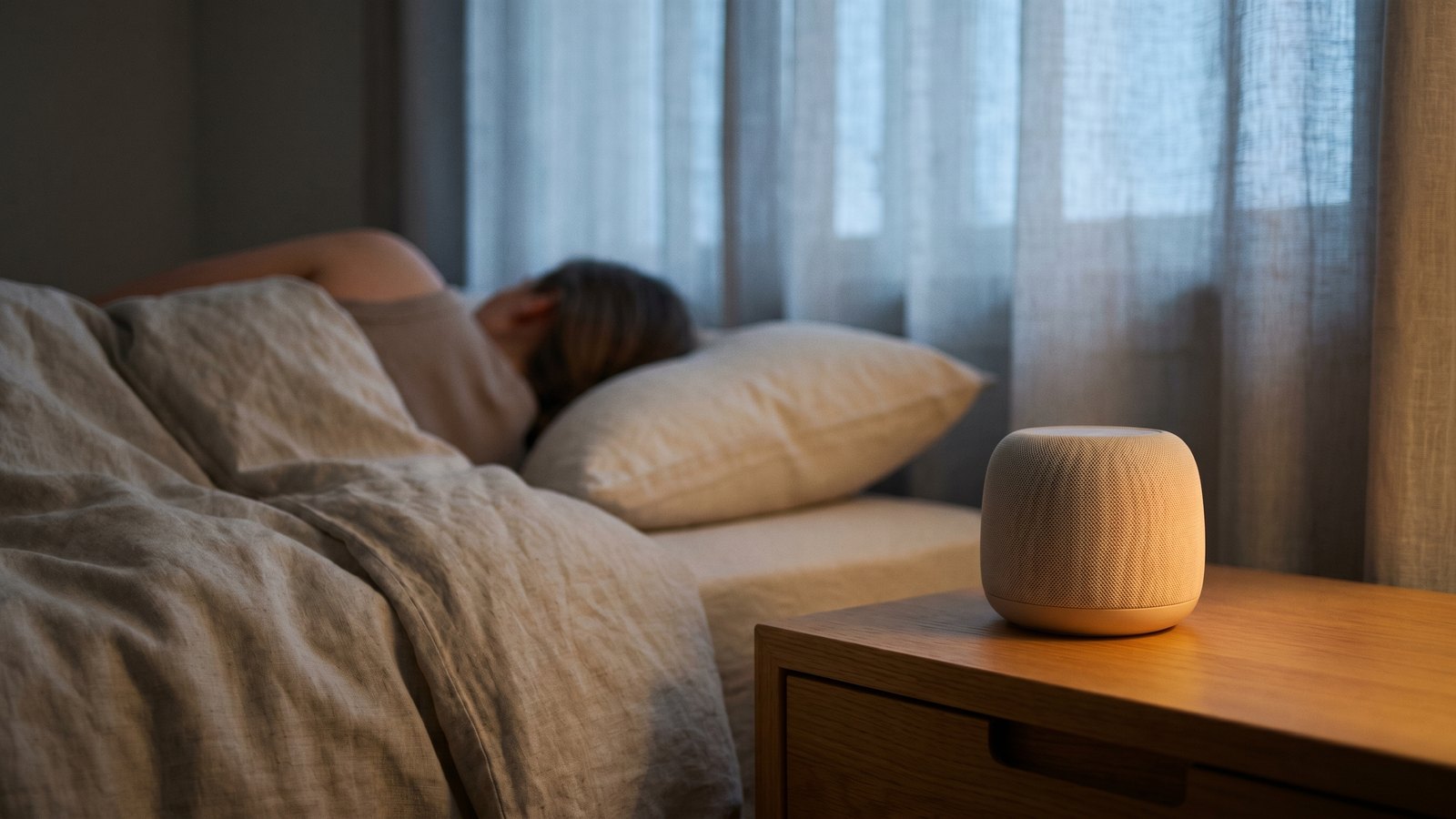
Brown Noise for Sleep: What the Science Actually Says (And a Calculator to Find Your Optimal Volume)
Brown noise isn’t magic — it’s masking. A 2017 Harvard-affiliated RCT found broadband noise cut sleep onset time by 38%, but only for the right kind of sleeper. Here’s what four peer-reviewed studies show, plus a calculator for your optimal volume.
Read article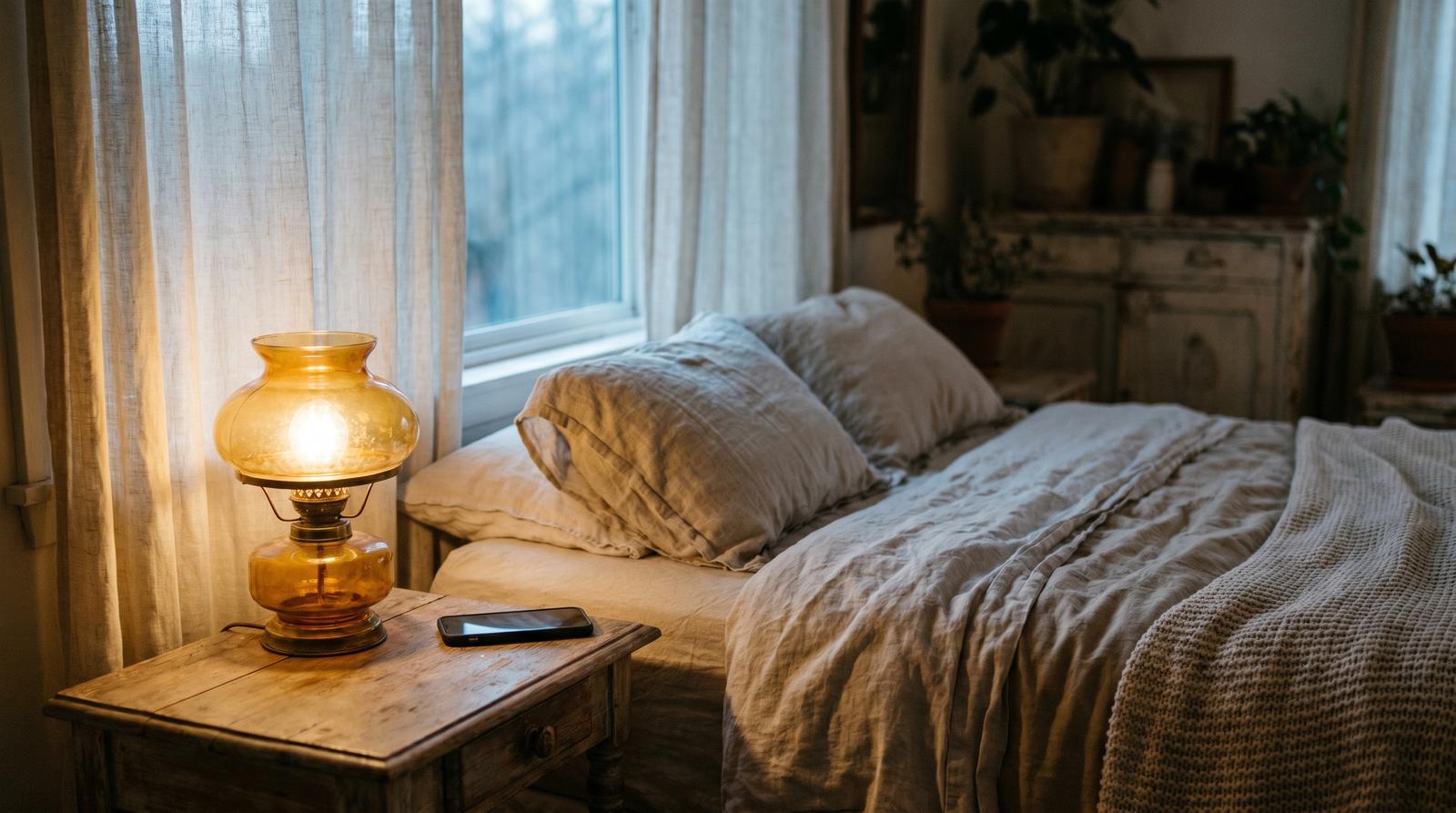
Blue Light and Melatonin: What the Research Actually Shows
Your eyes have a hidden photoreceptor tuned to 460 nm. Six studies reveal what blue light actually does to your melatonin — and why those blue-light glasses probably don't help.
Read article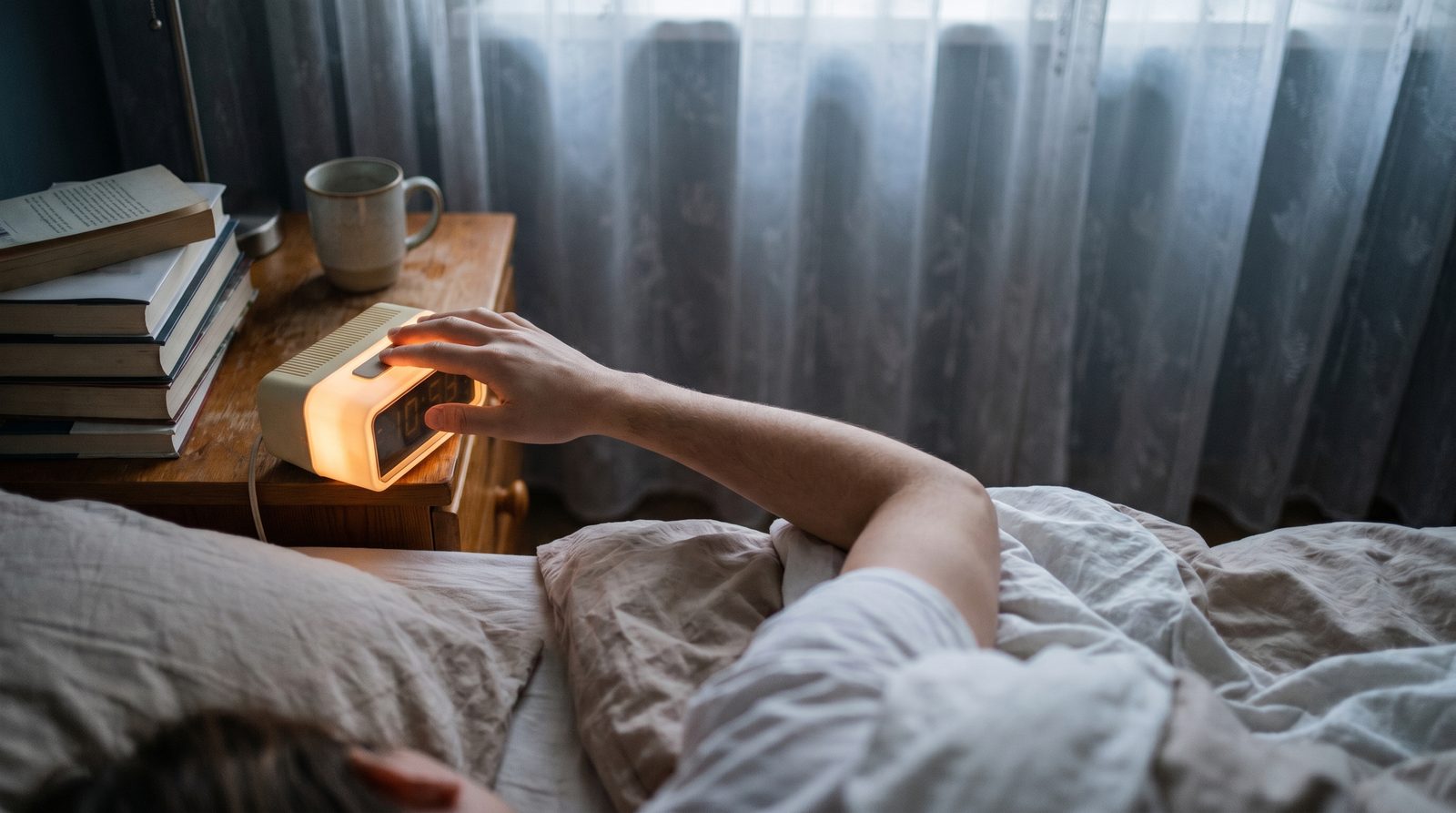
Why You Wake Up Tired (Even After 8 Hours)
Eight hours in bed does not guarantee eight hours of restoration. Sleep inertia, low sleep efficiency, and fragmented architecture explain why your mornings feel so heavy.
Read article
The Science Behind Your Chronotype
Whether you bounce out of bed at dawn or hit your stride at midnight is not a personality quirk. It is written into your DNA — across 351 gene variants, to be precise.
Read article
Sleep Debt Is Real — Here's the Math
You can survive on 6 hours a night. For a while. Then the bill arrives — and a landmark study proved you will not even notice it happening.
Read article
Caffeine Half-Life: What Drake et al. Actually Found
That afternoon coffee you swore was "early enough"? A landmark study proved it still costs you an hour of sleep — and you will not even feel it happening.
Read article
Why the '8 Hours' Rule Is Wrong
Eight hours isn't a prescription — it's an average. The real number is written into your genes, age, and chronotype. Here is how to find it.
Read article
5 Bedtime Habits That Are Ruining Your Sleep
Struggling to fall asleep or waking up exhausted? These 5 common nighttime habits could be the reason — and the science-backed fixes are simpler than you think.
Read article